Puppy Biting: What to Do in the Moment
Puppy biting is best handled by calmly stopping access to skin, redirecting to an appropriate chew or toy, and improving sleep, supervision and play structure.…
Read guide →Reward-based, step-by-step guides for puppy skills, recall, leash walking, greetings, barking, body language and everyday behavior.
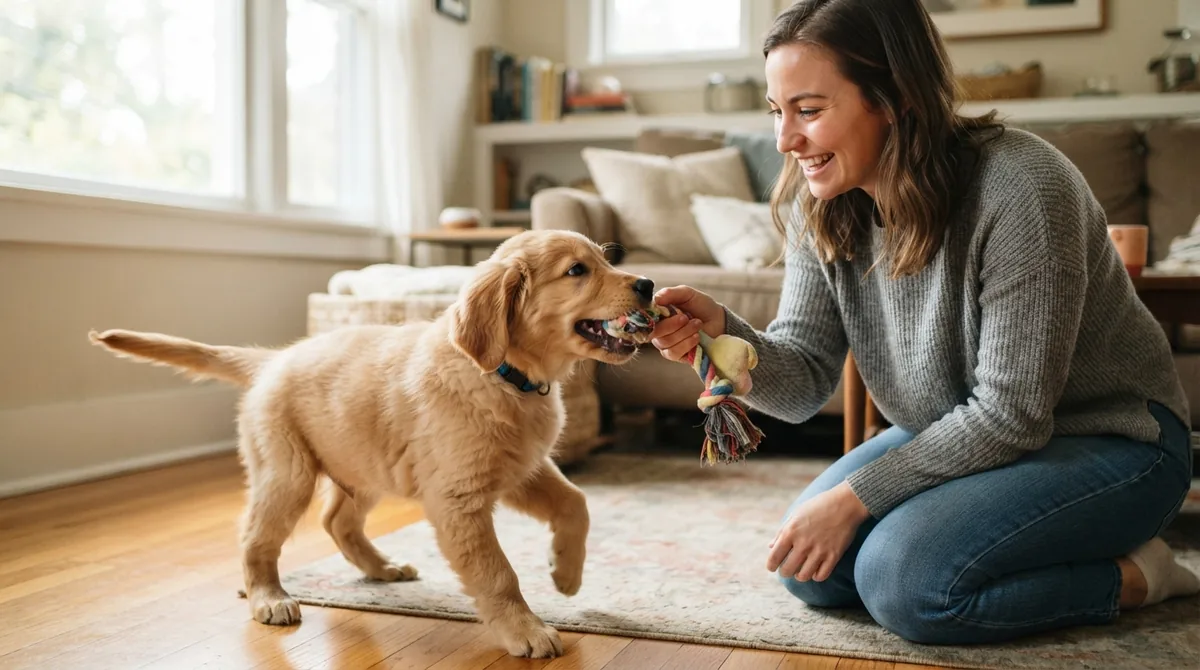
Puppy biting is best handled by calmly stopping access to skin, redirecting to an appropriate chew or toy, and improving sleep, supervision and play structure.…
Read guide →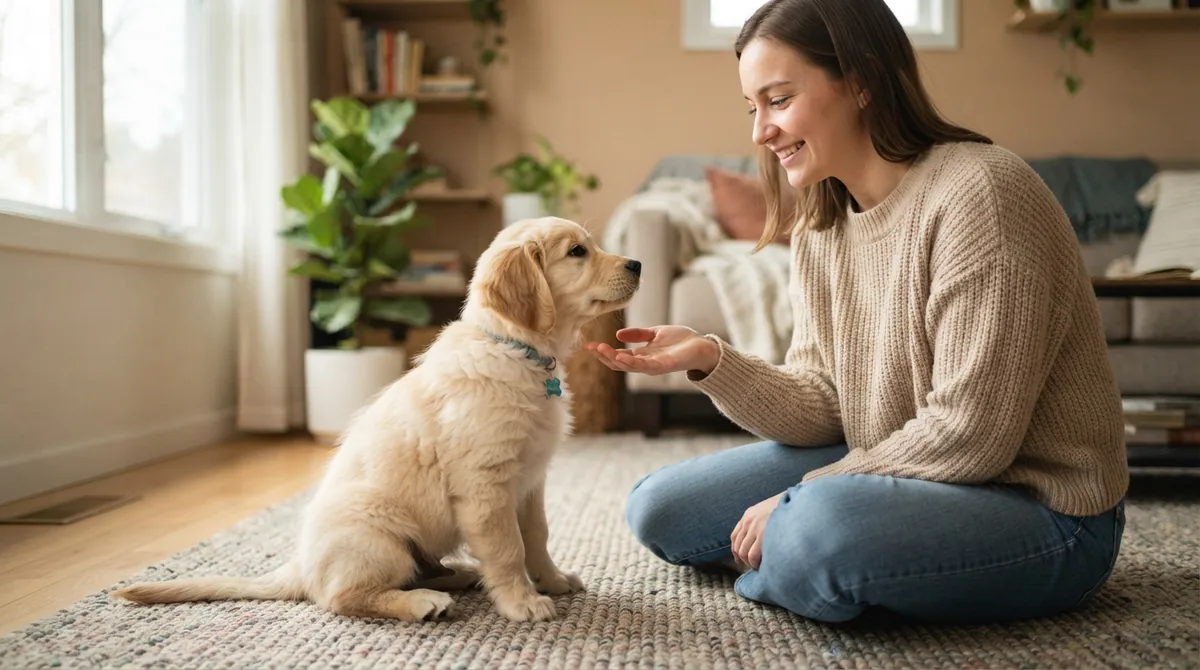
Good puppy socialization means creating many safe, low-pressure experiences while the puppy can still eat, explore, play or move away. It does not mean forcing…
Read guide →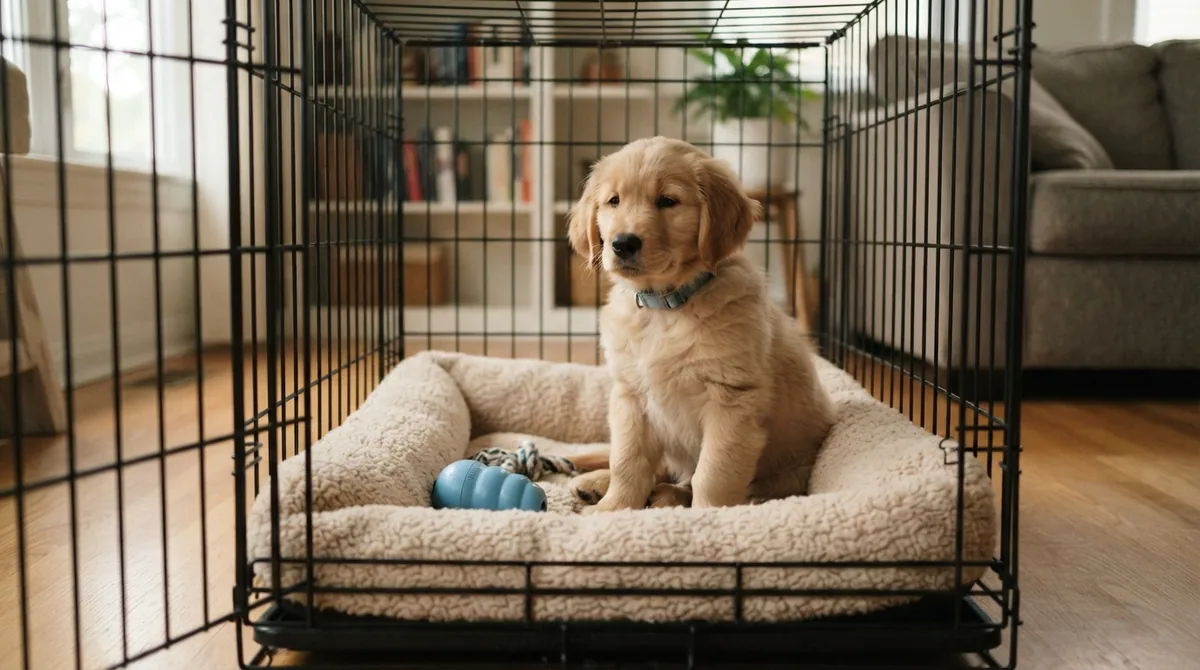
Crate training works best when the crate predicts food, rest and short periods of safety—not sudden isolation. Start with the door open, feed or scatter…
Read guide →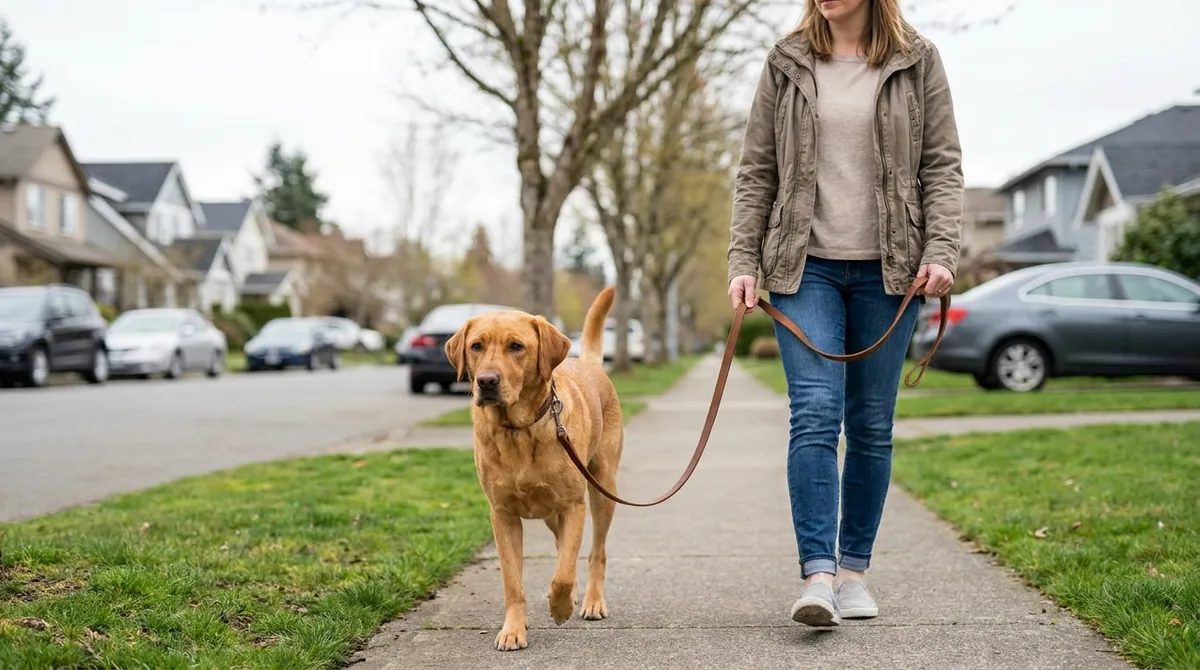
Loose-leash walking becomes easier when the dog learns a simple rule: slack in the leash keeps access to movement, sniffing and rewards; pulling does not.…
Read guide →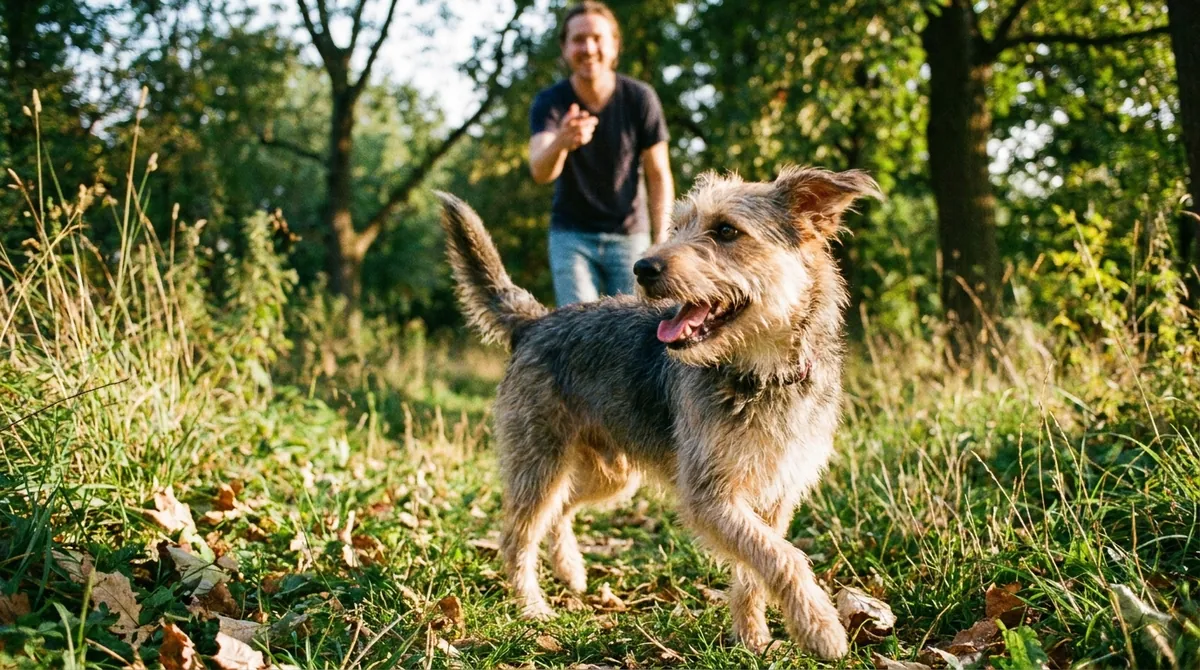
A reliable recall is built by making the cue rare, clear and worth responding to. Call when you can reinforce success, avoid repeating the cue,…
Read guide →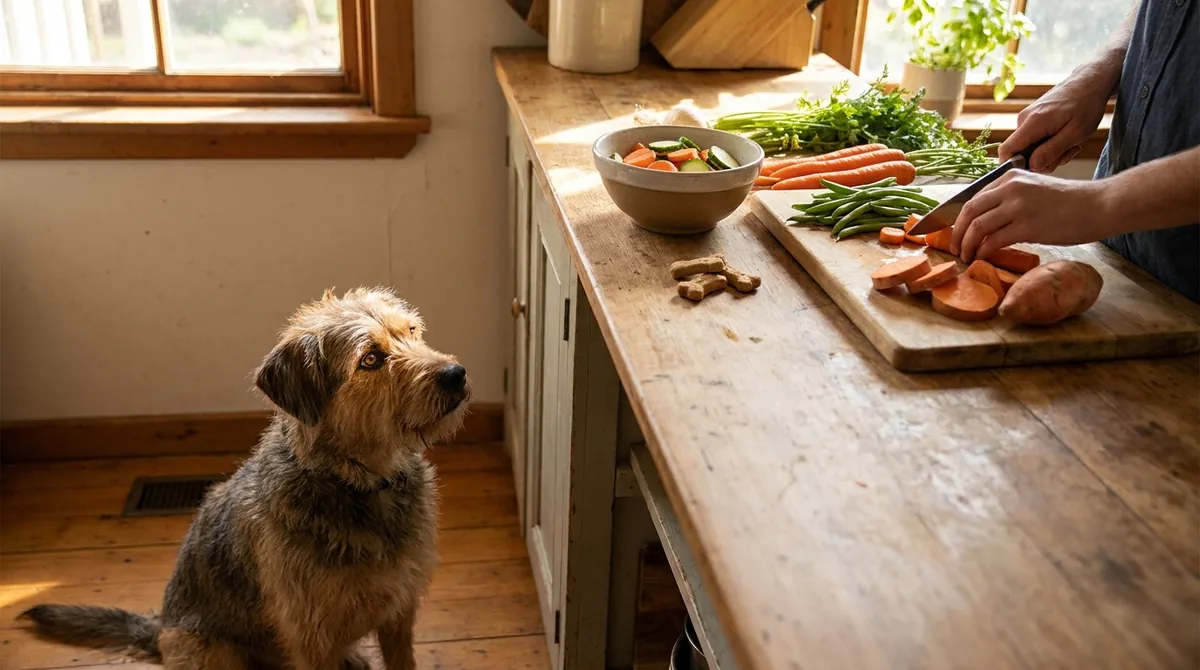
“Leave it” should teach disengagement, not fear of your hands. Start with low-value food protected under your hand, wait for the dog to back away,…
Read guide →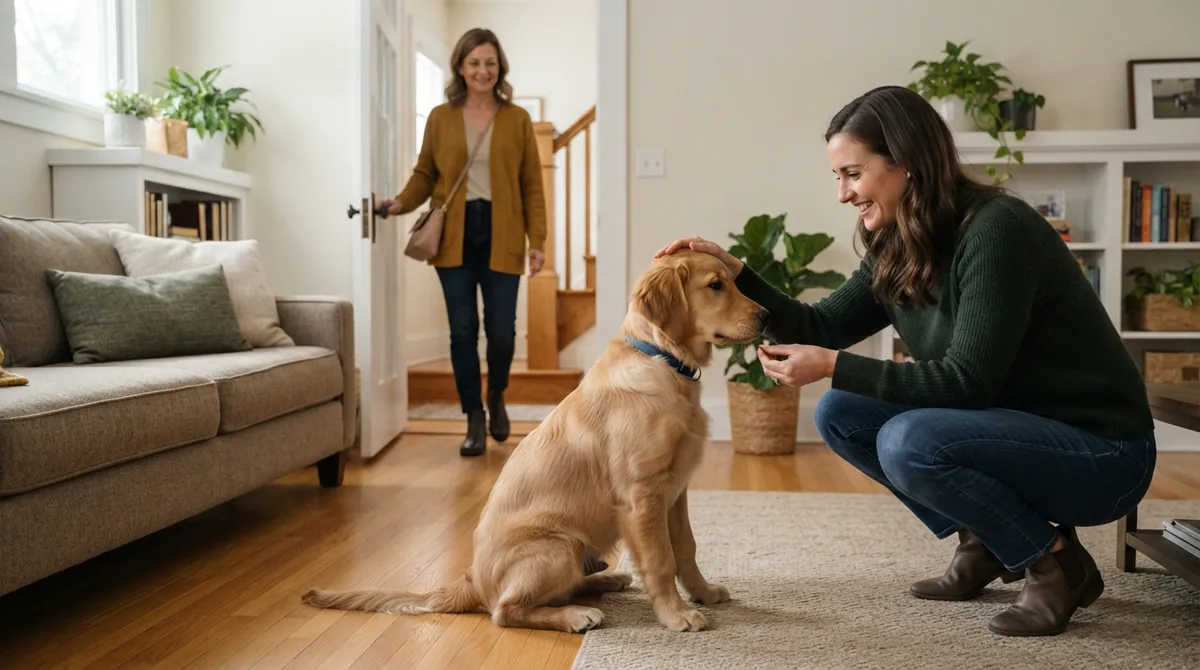
Jumping improves fastest when the dog cannot keep rehearsing it and when calm alternatives are rewarded before the guest is within reach. Use a leash,…
Read guide →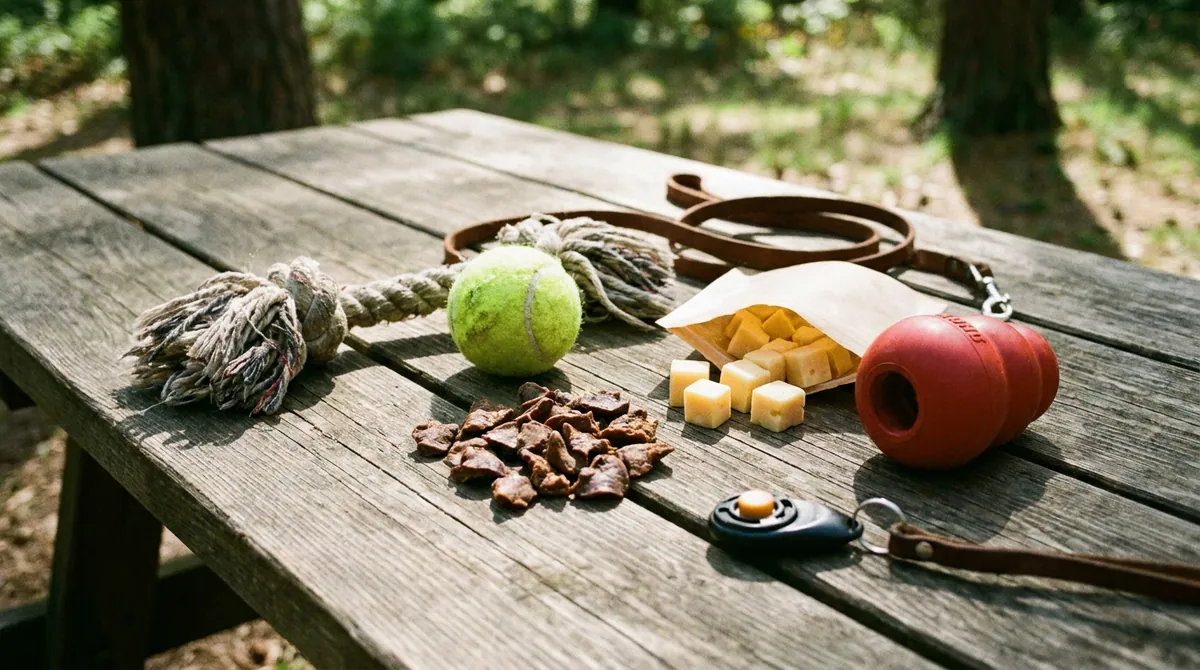
The best reward is whatever the dog wants in that moment and can receive safely. Food is convenient, but toys, sniffing, movement, access to a…
Read guide →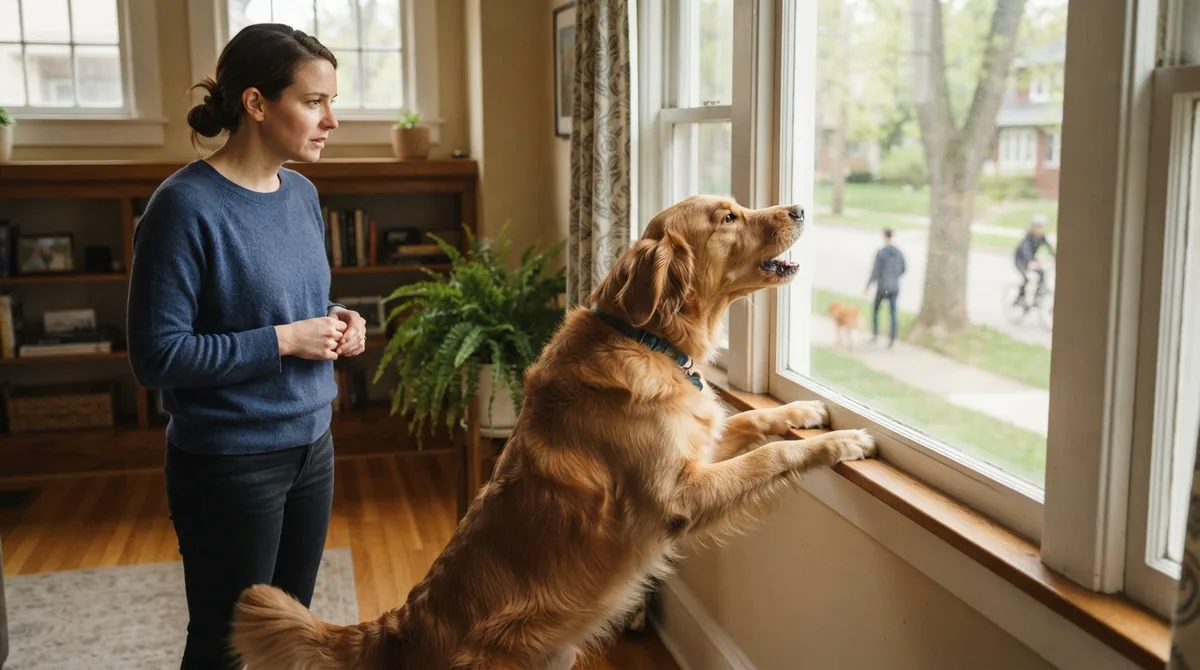
Barking is easier to change when you identify what the dog is trying to achieve: distance, attention, access, alarm, play or relief from frustration. The…
Read guide →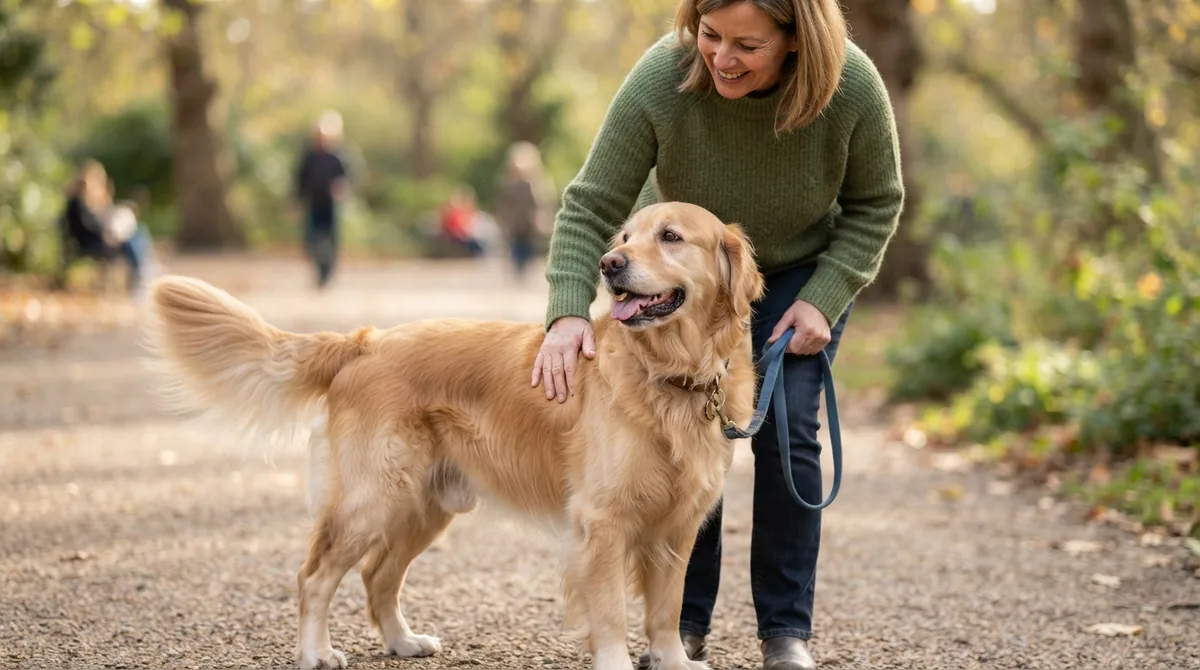
Dog body language should be read as a whole pattern, not as one isolated tail, ear or yawn. Weight shift, muscle tension, mouth shape, eye…
Read guide →