Dog Weight Loss Done Safely: A Measurement-First Plan
Build a weight-loss plan around measured calories, body-condition scoring, weekly habits and veterinary screening rather than crash dieting.
Read guide →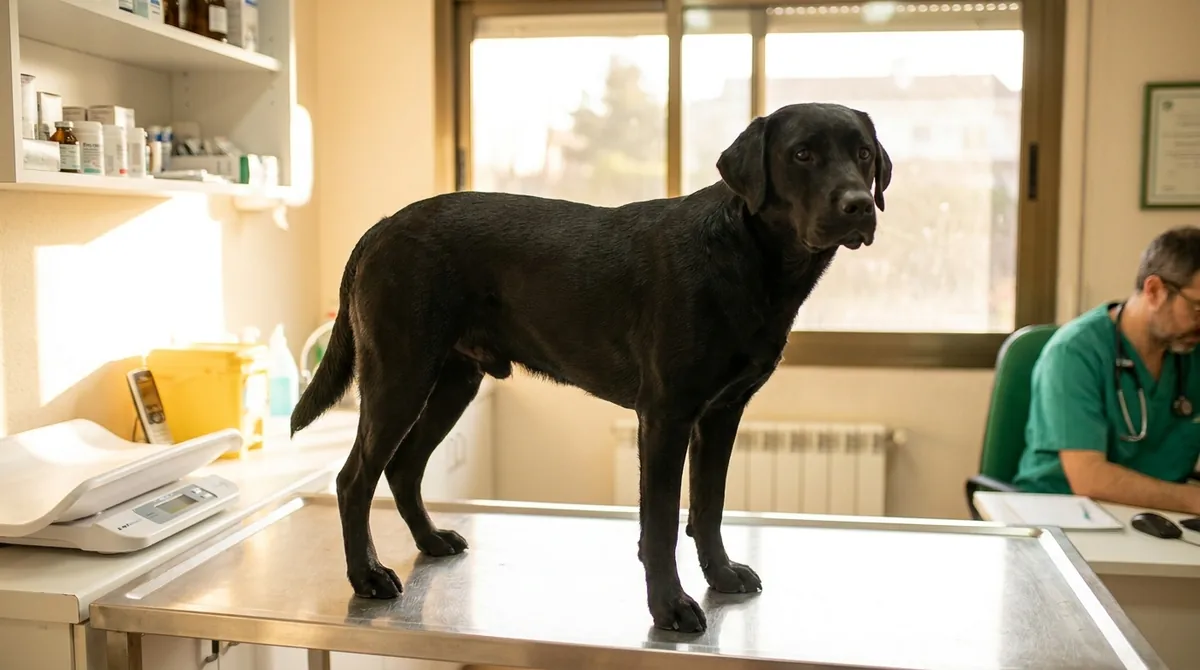
Build a weight-loss plan around measured calories, body-condition scoring, weekly habits and veterinary screening rather than crash dieting.
Read guide →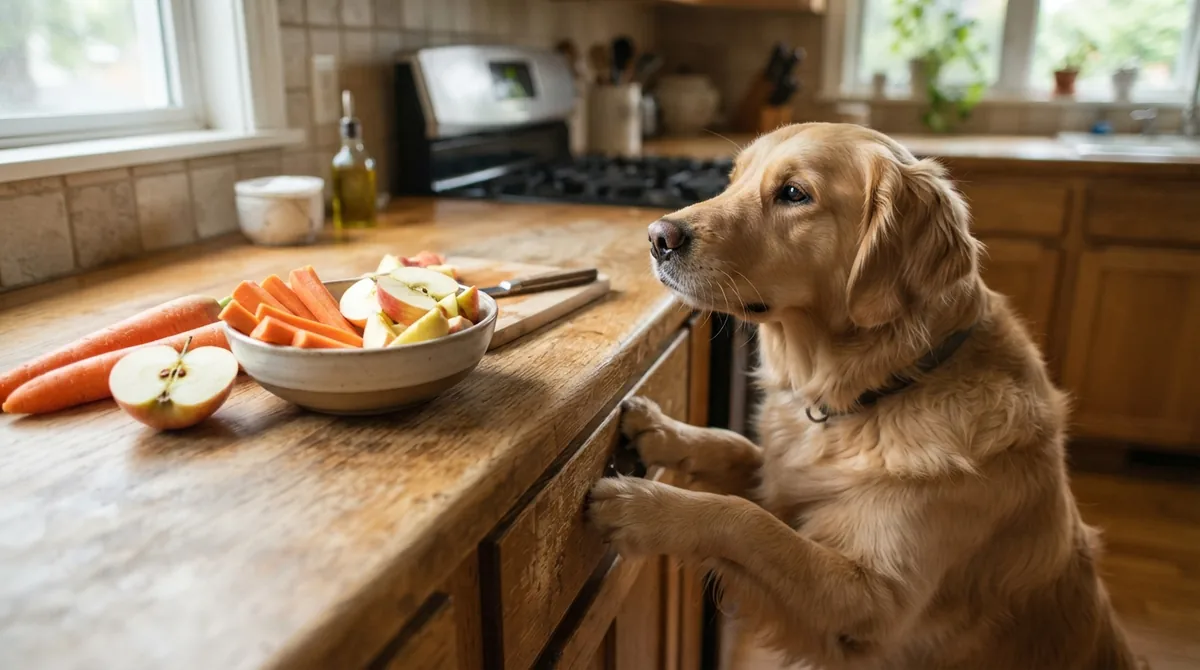
Use a simple decision process for ingredients, preparation, portion size and your dog’s medical history before offering people food.
Read guide →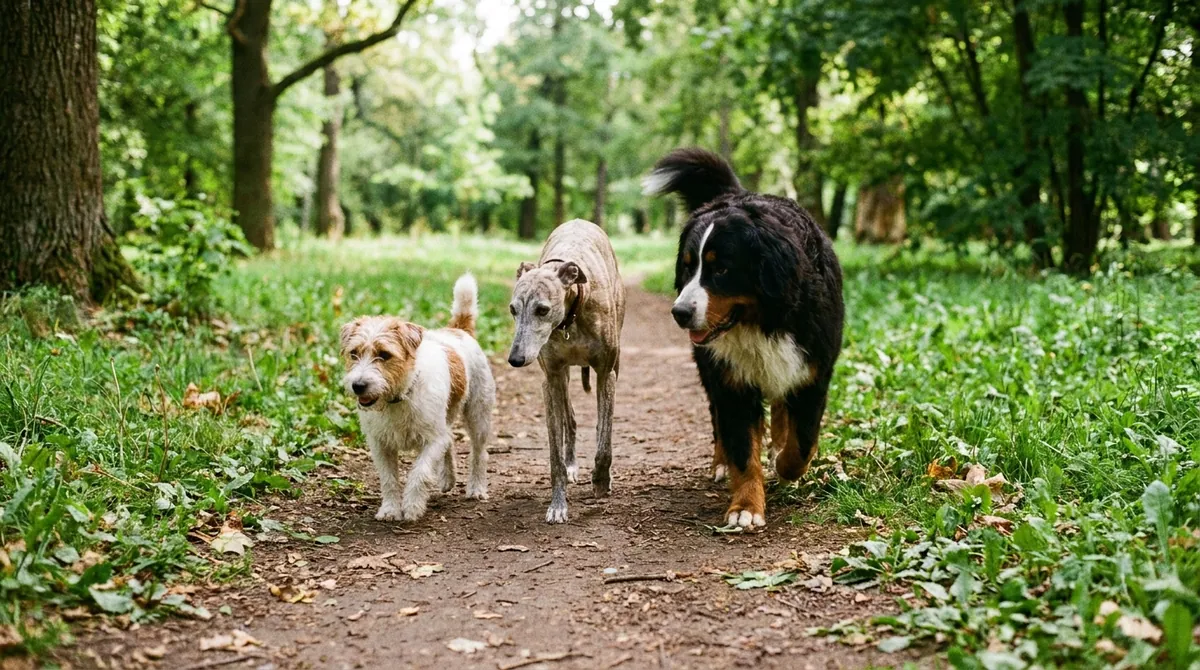
Match exercise, size, coat, social style, training needs and health costs to your real week before choosing a breed or individual dog.
Read guide →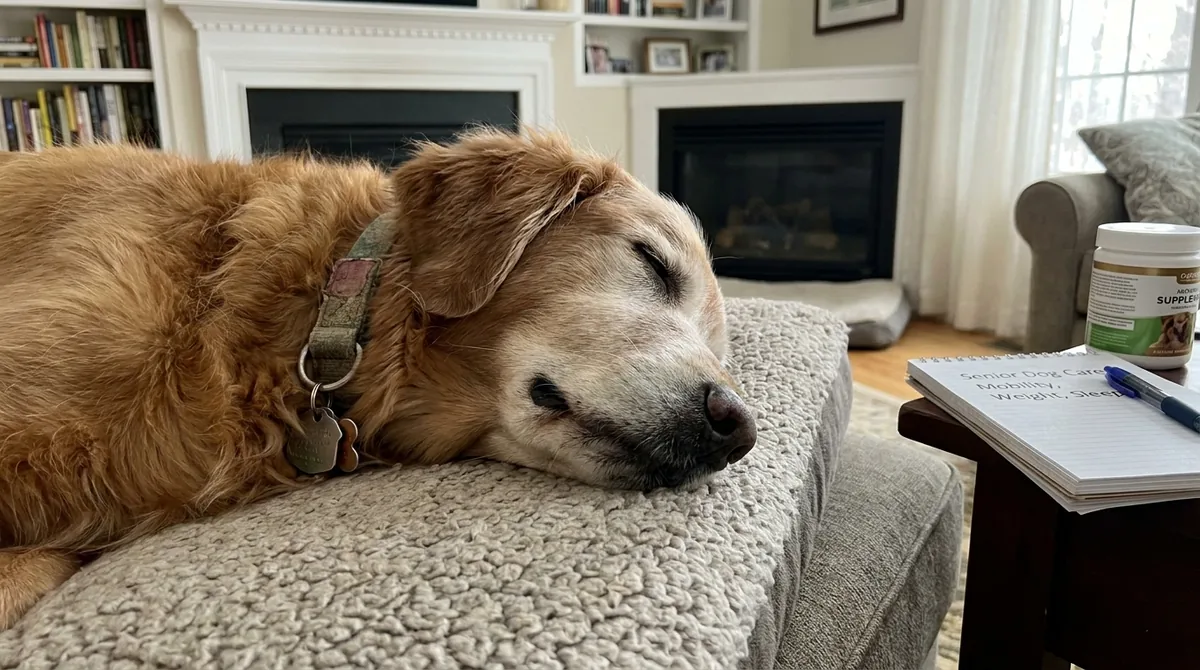
Small changes in the home can protect comfort, but “getting old” should never be used to dismiss pain or new medical signs.
Read guide →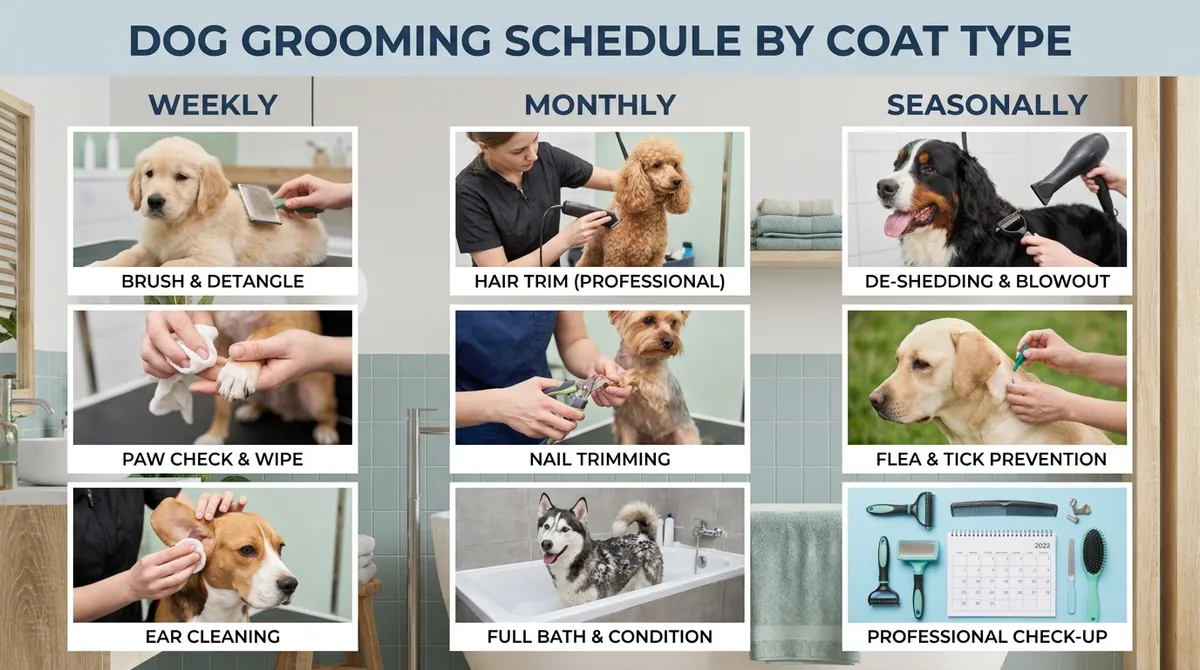
Build a realistic grooming routine for smooth, double, curly, wire and long coats, plus universal nail, ear, skin and dental checks.
Read guide →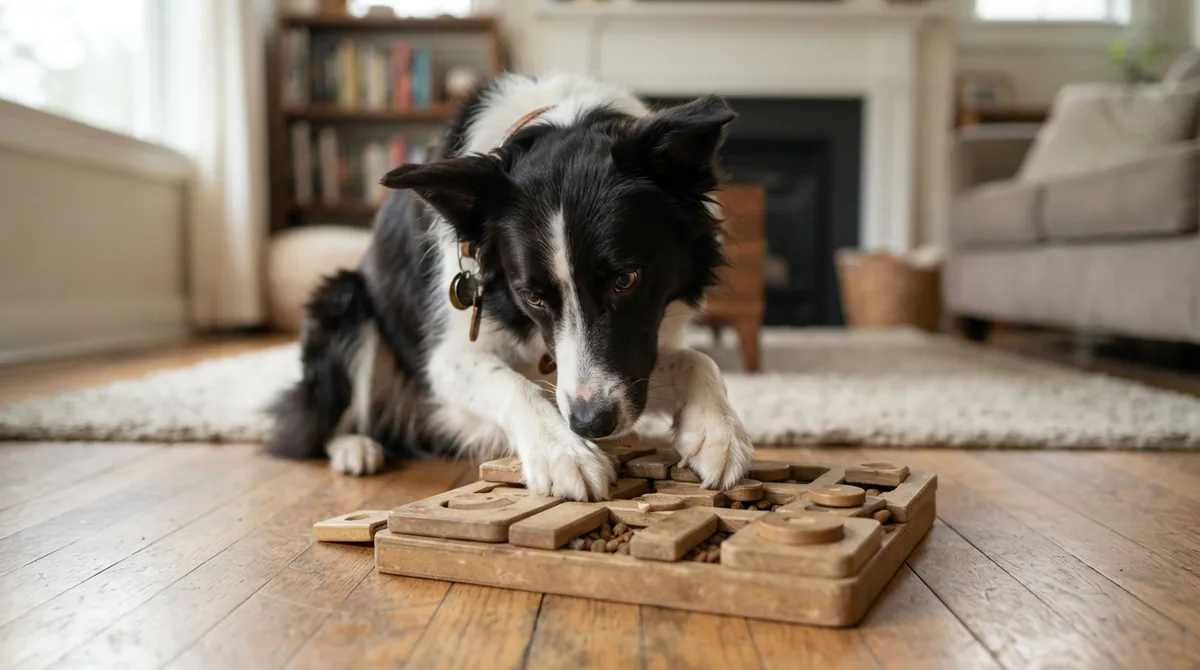
Enrichment is not endless stimulation. Build a day that lets dogs use natural behaviors while also practicing recovery and calm.
Read guide →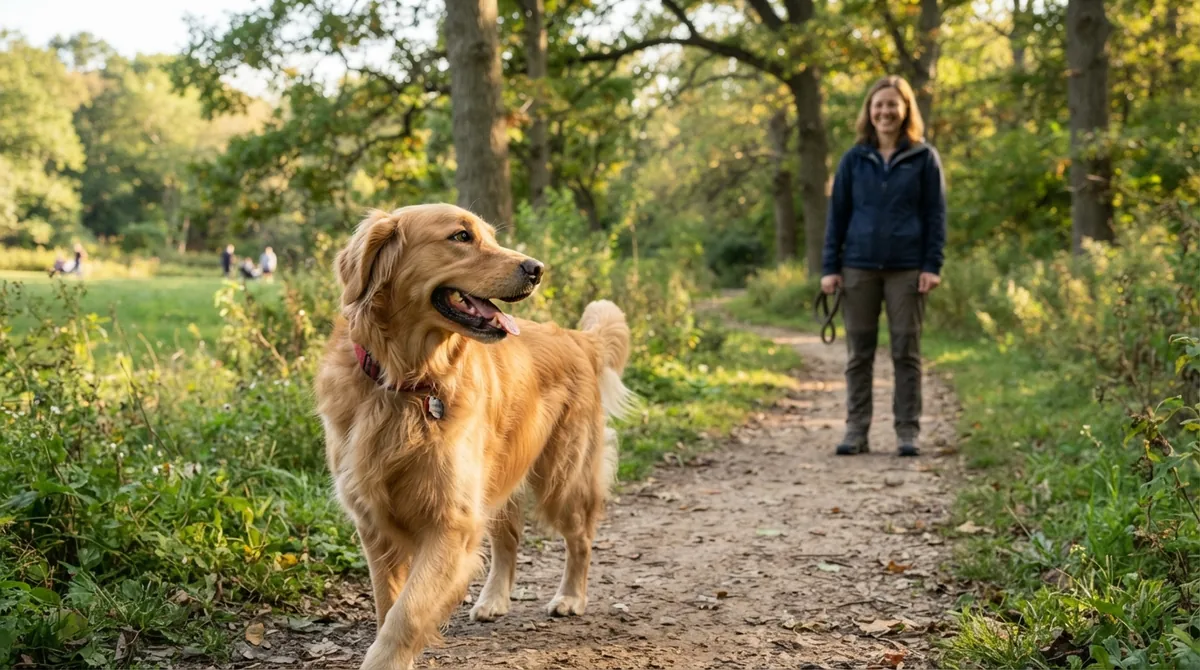
Build a recall that has value, survives distractions and stays protected by smart management around roads, wildlife and other high-risk environments.
Read guide →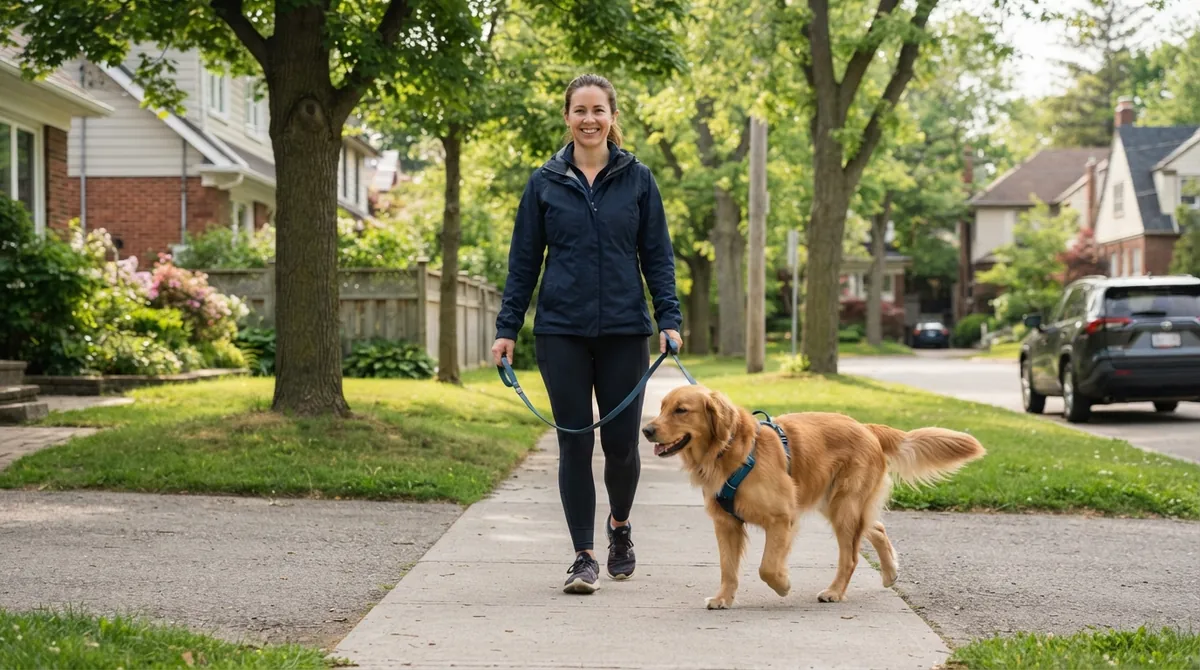
Teach a dog that staying near you keeps the walk moving while pulling makes progress pause, then transfer the skill to real-world distractions.
Read guide →
A practical month-one plan that prioritizes sleep, toilet training, socialization, handling, safe independence and a strong relationship.
Read guide →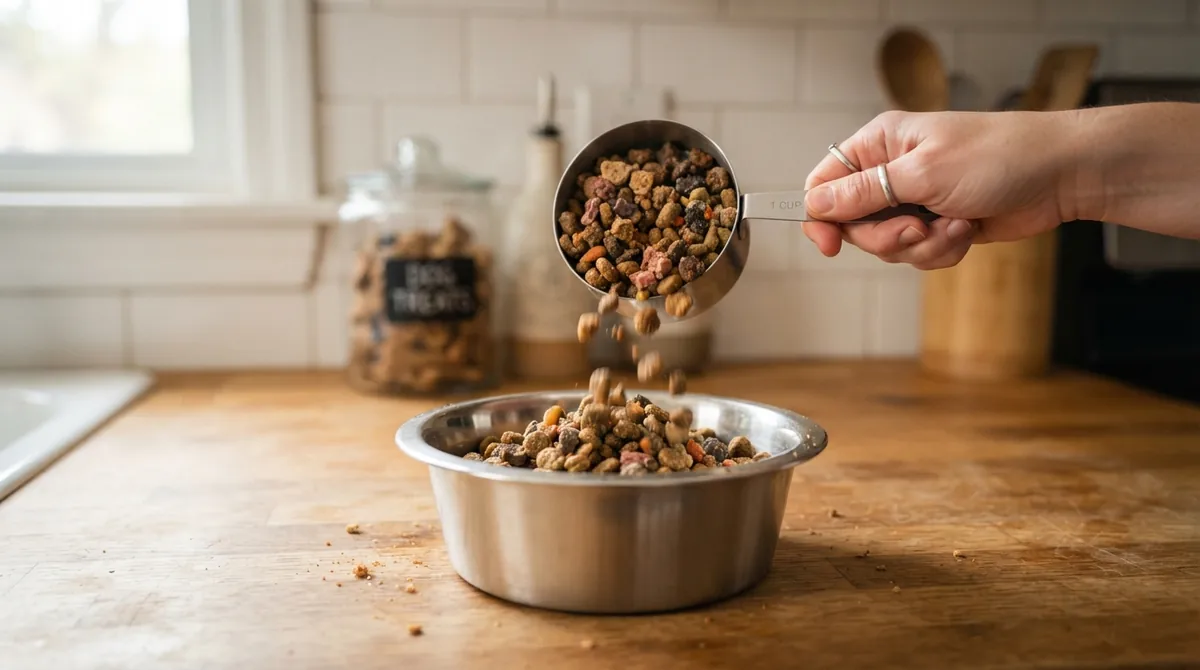
Use calories as a starting estimate, then let body condition, weight trend, life stage and veterinary advice determine the real feeding plan.
Read guide →