Dog Emergency Signs: A Practical Owner Triage Guide
Learn which changes should move you from “watch closely” to “call a veterinarian now,” and what information to collect on the way.
Read guide →
Learn which changes should move you from “watch closely” to “call a veterinarian now,” and what information to collect on the way.
Read guide →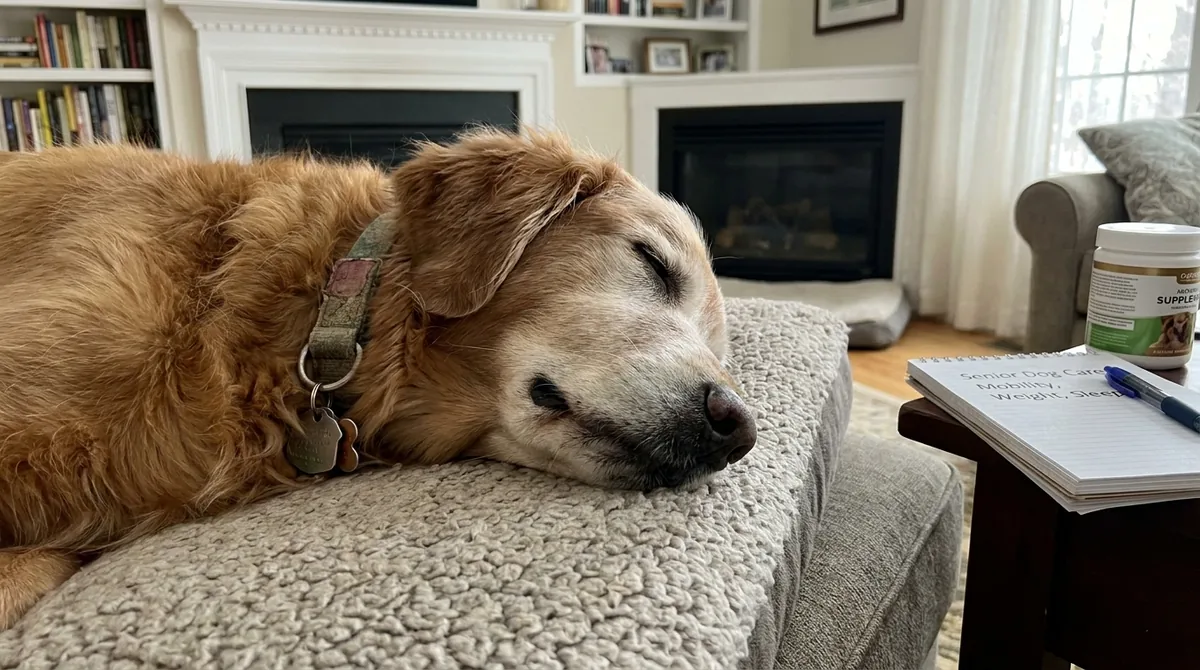
Small changes in the home can protect comfort, but “getting old” should never be used to dismiss pain or new medical signs.
Read guide →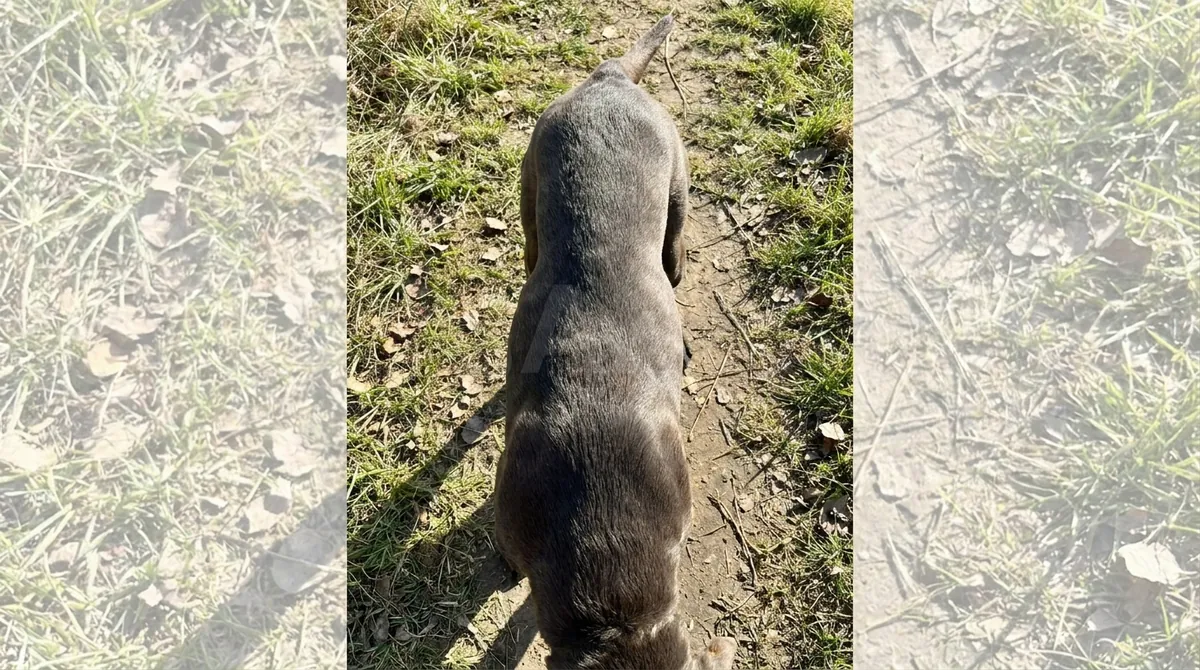
Use ribs, waist, abdominal tuck and weight trends to have a more useful conversation about healthy body condition.
Read guide →
Support older dogs with mobility-friendly routines, regular health checks, comfortable rest and closer observation of subtle changes.
Read guide →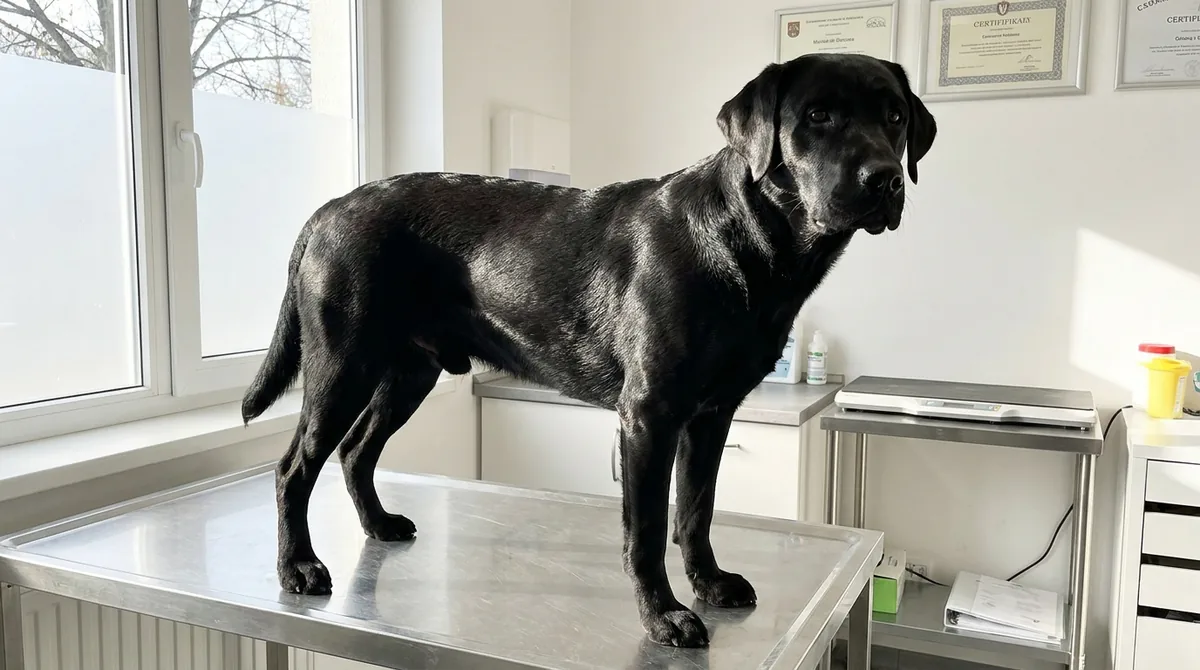
Loss of appetite can be minor or important. Track duration, water intake, vomiting, pain, medications and behavior instead of guessing.
Read guide →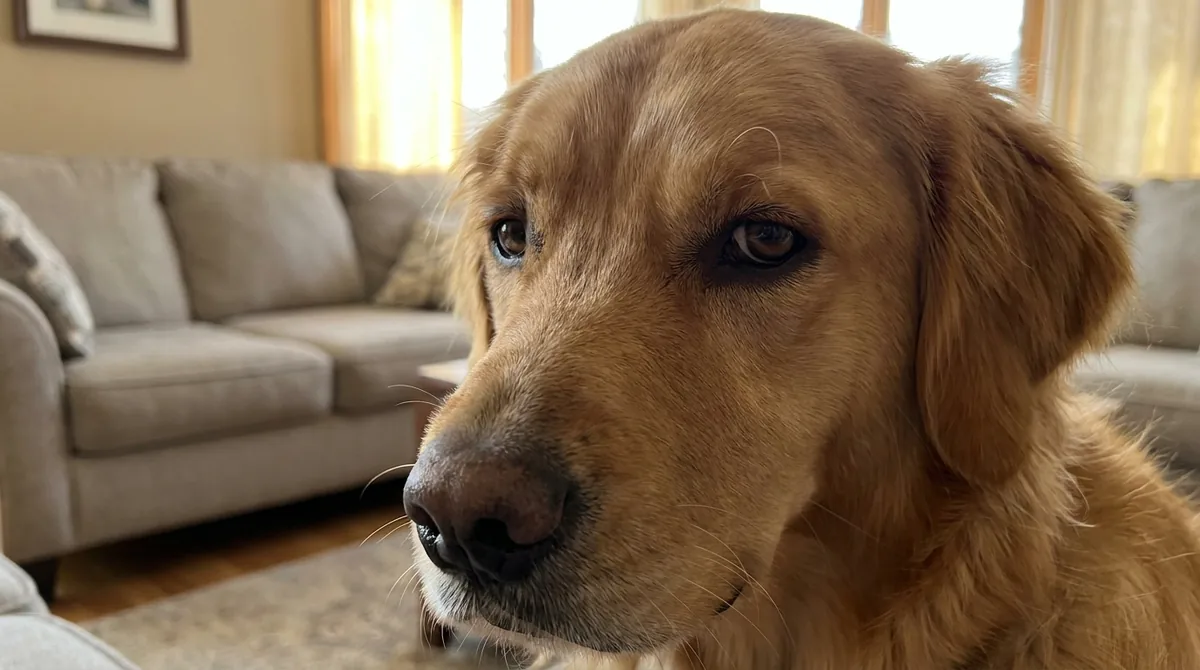
The difference between vomiting and passive regurgitation can help a veterinarian narrow the problem, but both can become urgent depending on context.
Read guide →
Track frequency, blood, vomiting, hydration, diet changes and behavior so you can judge when home observation is no longer appropriate.
Read guide →