Positive Reinforcement Dog Training: The Complete Practical Guide
A clear framework for reward-based training: timing, reinforcement, difficulty, distractions, management and what to do when a plan stops working.
Read guide →
A clear framework for reward-based training: timing, reinforcement, difficulty, distractions, management and what to do when a plan stops working.
Read guide →
Learn which changes should move you from “watch closely” to “call a veterinarian now,” and what information to collect on the way.
Read guide →
Track frequency, blood, vomiting, hydration, diet changes and behavior so you can judge when home observation is no longer appropriate.
Read guide →
The difference between vomiting and passive regurgitation can help a veterinarian narrow the problem, but both can become urgent depending on context.
Read guide →
Loss of appetite can be minor or important. Track duration, water intake, vomiting, pain, medications and behavior instead of guessing.
Read guide →
Support older dogs with mobility-friendly routines, regular health checks, comfortable rest and closer observation of subtle changes.
Read guide →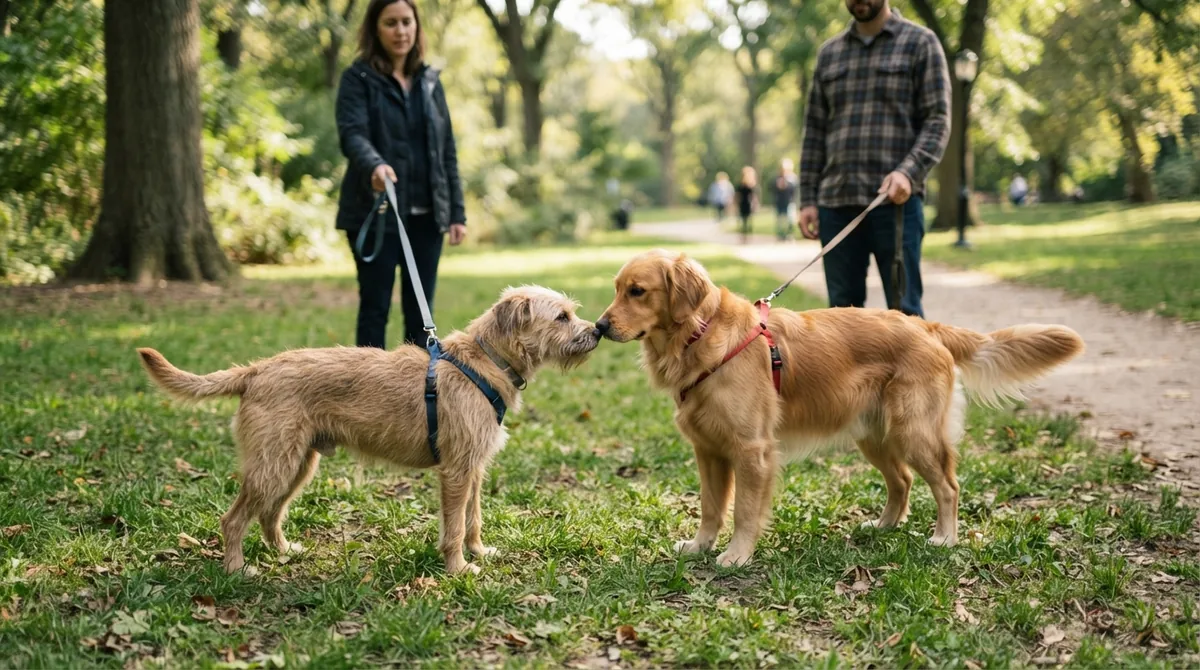
Use distance, parallel movement and careful management to make first introductions less intense.
Read guide →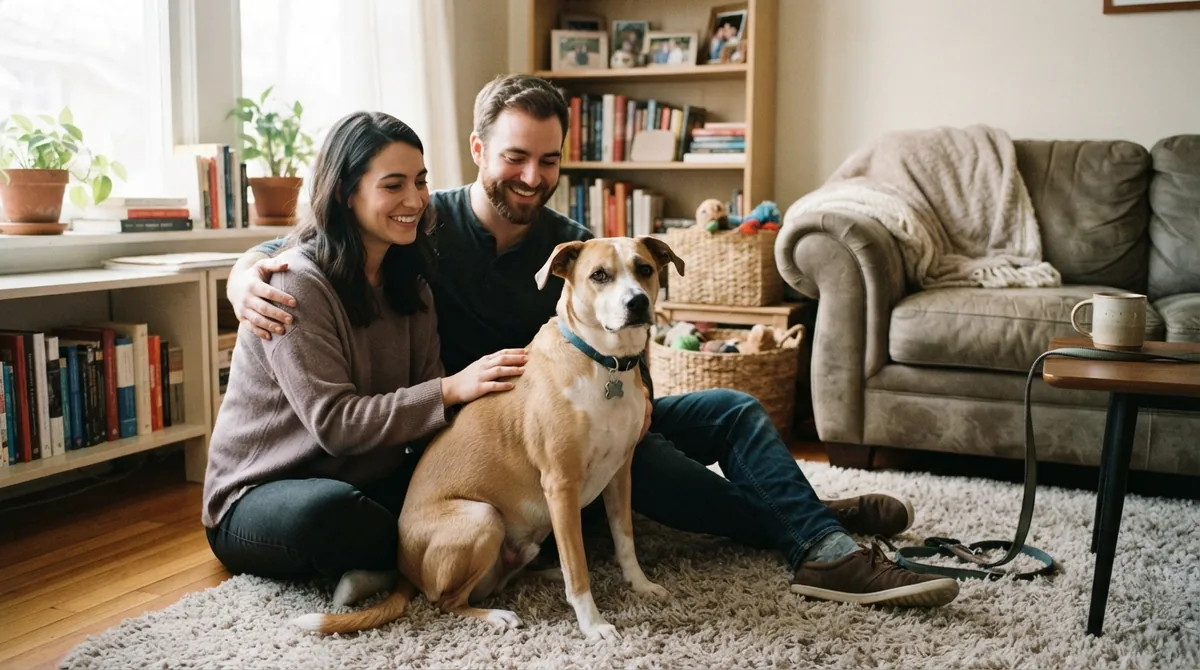
Give a newly adopted dog time to decompress before expecting perfect behavior, social confidence or instant attachment.
Read guide →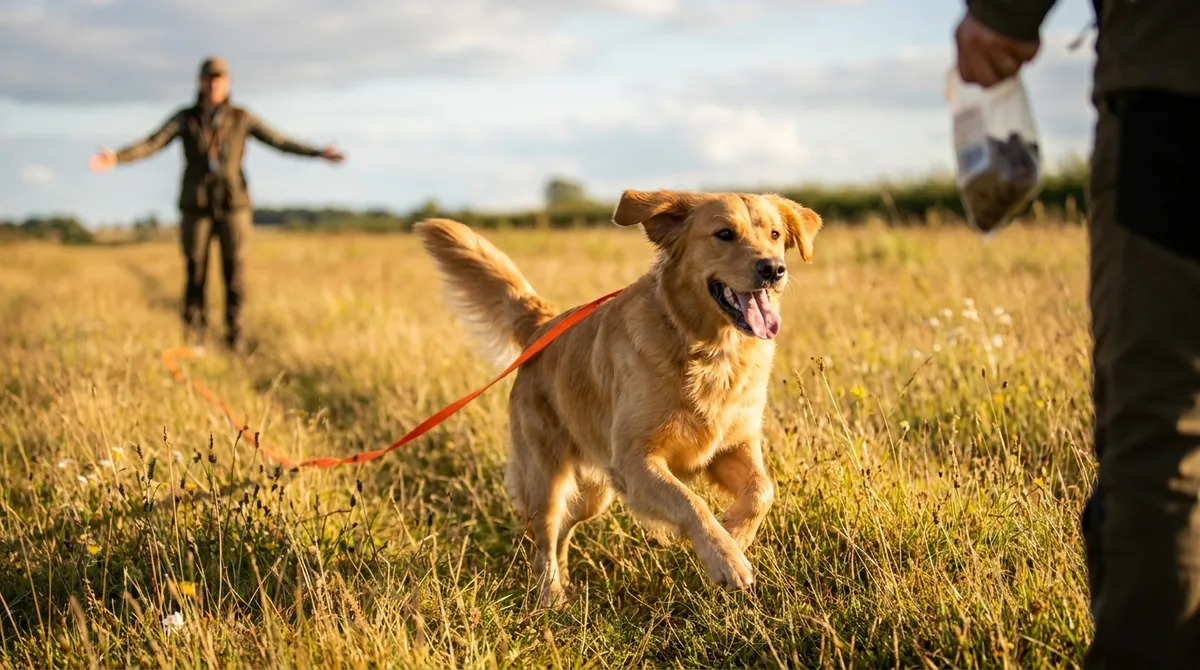
Exercise needs change with breed, age, health, environment and temperament. Build a plan around recovery and behavior, not a generic minute target.
Read guide →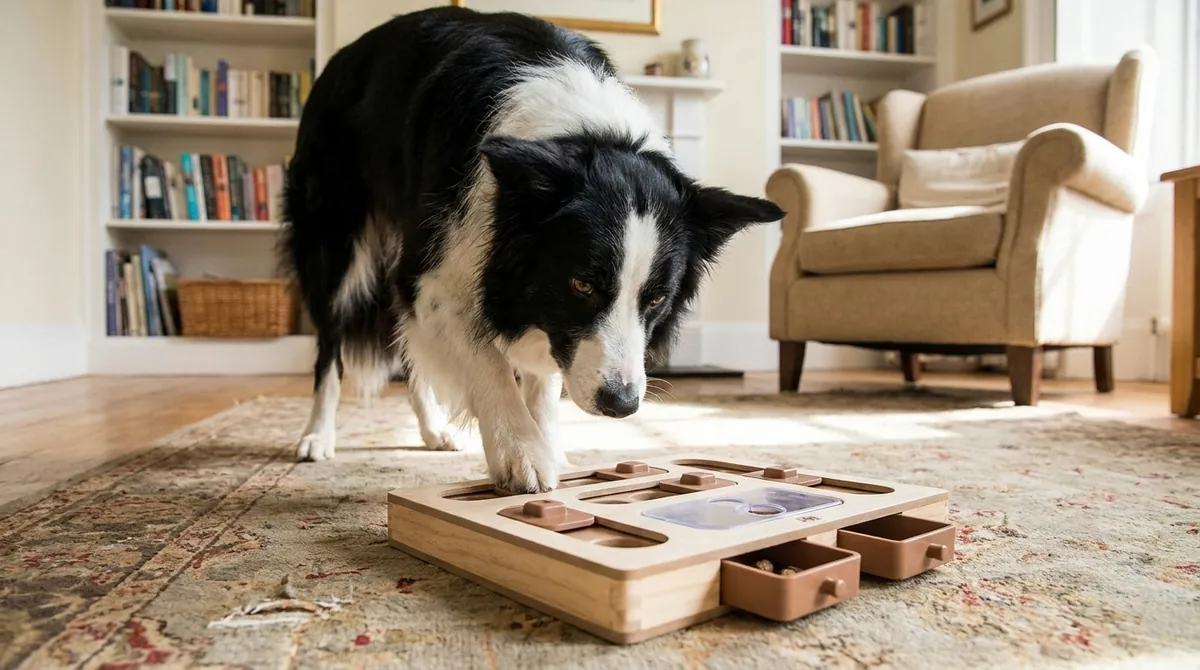
Use sniffing, searching, chewing and short training games to give your dog purposeful mental work.
Read guide →