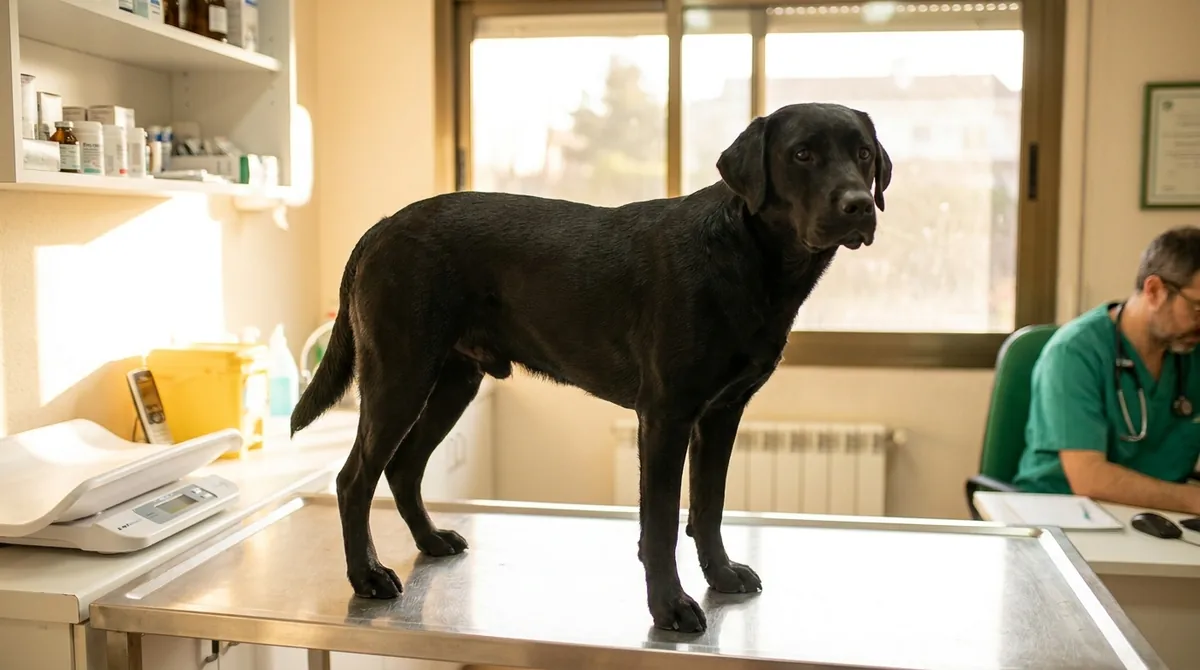
Build a weight-loss plan around measured calories, body-condition scoring, weekly habits and veterinary screening rather than crash dieting.
Confirm that weight loss is appropriate
Use body-condition scoring and a veterinary exam, especially if the dog has gained weight suddenly, is older or has other symptoms.
Measure every calorie source
Weigh meals when possible and include treats, chews, dental products, table food and calories hidden in enrichment toys.
Make modest changes
Large calorie cuts can increase hunger and risk nutritional imbalance. Your veterinarian can calculate a target and recommend a complete diet designed for weight management if needed.
Use low-calorie reinforcement strategically
Reserve part of the daily food for training or use very small rewards. The dog should still get to train and enjoy enrichment.
Increase activity according to ability
Walking, sniffing, swimming or rehabilitation exercises can help, but overweight dogs may have joint pain or heat intolerance. Build fitness gradually.
Track trend, not day-to-day noise
Use the same scale and similar conditions. Review progress every few weeks and adjust only if the trend is not moving.
Protect muscle and quality of life
The goal is a leaner, more comfortable dog, not simply a lower number. Discuss muscle condition and mobility at follow-up visits.
Practical checklist
- Write down what is normal for your dog before changing several things at once.
- Use measured food, secure equipment and environmental management where relevant.
- Review the plan after several days and look for a trend rather than reacting to one unusually good or bad day.
- Stop and seek professional help when pain, breathing trouble, collapse, toxin exposure, severe fear or bite risk enters the picture.
Frequently asked questions
Can breed alone tell me what to do?
No. Breed can provide context, but age, health, body condition, environment and individual temperament should drive decisions.
How do I know whether advice online is enough?
Online guidance is best for education and routine planning. Diagnosis, medication decisions, persistent symptoms, pain and emergencies require veterinary care; serious behavior problems require individualized assessment.
Dogtation summarizes general educational guidance and does not claim that these organizations reviewed this page.