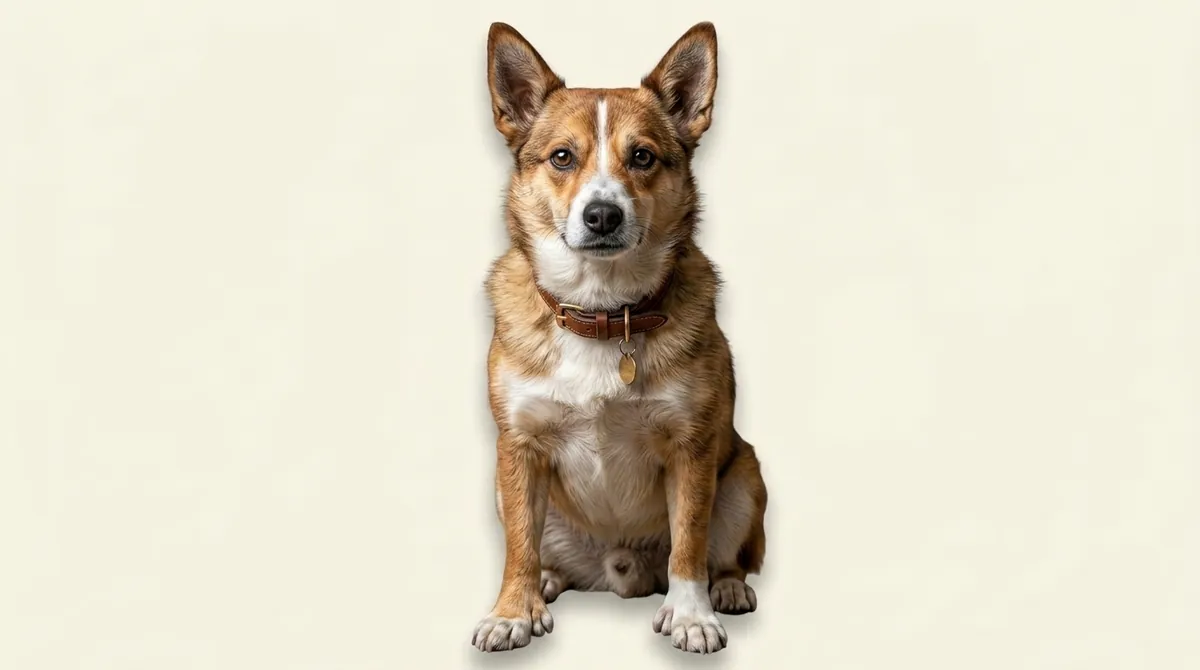
The Non-Sporting group includes breeds with very different histories, body shapes and coat types, so the individual breed matters more than the group label.
Norwegian Lundehund temperament and everyday behavior
Can range from outgoing and comic to reserved and independent. Early positive socialization helps owners understand the individual dog rather than relying on stereotypes. Breed tendencies describe probabilities, not guarantees: genetics, early experience, health, age and learning history can make two dogs of the same breed behave very differently.
Exercise and enrichment
Usually moderate, but athletic breeds may need much more and brachycephalic breeds need careful heat and exertion management. Build a balanced week rather than chasing a single exercise number. Sniffing, searching, food puzzles, short training sessions and appropriate social time can be as important as distance walked.
Training priorities
Short, positive sessions and clear household routines work well. Match reinforcement to the individual dog’s motivation. Start with name response, recall foundations, loose-leash walking, comfortable handling, a settle behavior and trading objects. Increase distance, duration and distraction one at a time so the dog can continue to succeed.
Grooming and routine care
Highly variable—from nearly hairless coats to dense double coats or continuously growing hair. Regardless of coat type, check nails, paws, ears, teeth and skin regularly. Introduce handling gradually with food and choice so grooming does not become a wrestling match.
What kind of home fits a Norwegian Lundehund?
Choose based on the exact breed’s exercise, coat, noise and health needs rather than group membership.
- Choose the individual dog, not only the breed label.
- Plan how exercise and toilet breaks will work on ordinary weekdays.
- Consider adult size, shedding, barking, prey interest and visitor management before bringing the dog home.
- If children or other pets are present, use supervision and physical separation when needed rather than assuming compatibility.
Health and veterinary planning
Body shape can strongly affect health. Discuss airway, skin, eyes, joints and breed-club screening where applicable. A responsible source should be willing to discuss health testing appropriate to the breed. For an adopted dog with unknown history, your veterinarian can help create a preventive plan based on age, body condition and current findings.
Before choosing this breed
A stronger match when you can…
- meet the daily activity and enrichment needs described above;
- train with rewards and consistent household rules;
- budget for preventive, emergency and breed-relevant care;
- provide the grooming and safe management the adult dog will require.
Think carefully if…
- the dog would regularly be left without adequate exercise or toilet breaks;
- you need effortless off-leash reliability in unsecured areas;
- adult size or strength would be difficult for household members to manage;
- the breed’s coat, vocal style or original working instincts conflict with your lifestyle.
Questions to ask a breeder or rescue
- What are the parents or close relatives like in ordinary home situations?
- Which health screening is recommended for this breed, and can I see the results?
- How has this dog been socialized to handling, travel, people, dogs and household sounds?
- What level of exercise and grooming do adults from these lines actually need?
- What support is available if health or behavior questions arise after placement?
Frequently asked questions
Is a Norwegian Lundehund good for first-time owners?
That depends more on lifestyle fit and willingness to learn than on a simple yes/no label. Compare the exercise, grooming, social and management requirements above with what your household can deliver every day.
How much exercise does a Norwegian Lundehund need?
Usually moderate, but athletic breeds may need much more and brachycephalic breeds need careful heat and exertion management. Age, weather, health and fitness can change what is appropriate, so use recovery and behavior as feedback.
Are Norwegian Lundehund dogs good with children?
Breed can influence tendencies but does not guarantee child compatibility. Choose for stable temperament, supervise interactions and teach both children and dogs how to disengage safely.
What should I train first?
Prioritize attention to name, recall, leash skills, comfortable handling, settling and safe trade/drop skills. These foundations improve daily life and make later training easier.
- AKC breed and group references
- National breed-club health guidance
- AAHA Canine Life Stage Guidelines
- AVSAB Humane Dog Training guidance
Dogtation summarizes general educational guidance and does not claim that these organizations reviewed this page.